Triangle Shape with Playful Mono F Review
First Impressions: Geometric Charm Meets Stitch Reality
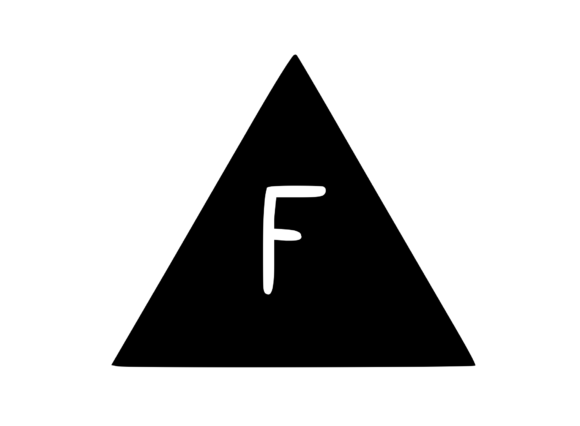
When I first opened the Triangle Shape with Playful Mono F file, I wasn't just looking at a graphic; I was mentally mapping out how those vector lines would translate into thread. As an embroidery designer who has digitized and tested countless assets for commercial use, my immediate reaction to this design was one of cautious optimism. The geometry is clean, and that playful monogram "F" adds a necessary touch of whimsy to what could otherwise be a stark shape. In the realm of Crafts and digital Graphics, it is easy to get lost in designs that look perfect on screen but fail under the needle. However, this specific layout suggests a thoughtful balance between negative space and stitch coverage.
The mood here is distinctly modern yet approachable. It doesn't scream for attention with excessive density or complex shading. Instead, it offers a versatile foundation. For a professional reviewer, the "playful" aspect is key. It tells me this isn't meant for rigid corporate uniforms or formal military-style patches. It belongs in the world of boutique retail, personalized gifts, and creative expression. The triangular silhouette naturally draws the eye downward, creating a dynamic visual flow that works exceptionally well when centered on a chest pocket area or as a focal point on a tote bag.
Real-World Test: Stitching Out a Custom Tote Bag
To truly evaluate the Triangle Shape with Playful Mono F, I had to move beyond the software preview. My test case involved preparing a custom embroidered tote bag for a local artisan market. Canvas totes are unforgiving; the fabric texture can swallow fine details, and the lack of stretch means any puckering from improper stabilization is immediately visible. I chose this design because the geometric borders provide a natural frame, while the mono F serves as a customizable anchor for personalization.
During the stitching process, I paid close attention to the transition points between the triangle outline and the letter. A common failure point in machine embroidery design files is where two distinct elements meet. If the registration is off by even a millimeter, the playful charm turns into a messy gap. Fortunately, the structure of this design allows for adequate overlap if you are using it as an applique design or combining it with other elements. The satin stitch edges on the triangle held up beautifully against the canvas weave, providing a crisp boundary that elevated the perceived value of the finished product. Customers at the market didn't just see a bag; they saw a deliberate, high-quality handmade product rather than a generic stamped item.
Versatility Across Apparel and Home Decor
Beyond tote bags, this design shows remarkable range for small business owners and Etsy sellers. The simplicity of the triangle makes it an excellent candidate for sweatshirt embroidery, particularly on heavyweight french terry fabrics where dense designs can cause distortion. Because the Triangle Shape with Playful Mono F relies on shape and line rather than heavy fill stitch areas, it maintains the drape of the garment. This is crucial for custom apparel where comfort is as important as aesthetics.
I also envision this working effectively in nursery decor and baby embroidery projects. The soft geometry avoids sharp, aggressive angles, making it suitable for blankets and bibs. For holiday embroidery, the triangle can easily be recontextualized as a tree, a pennant, or a festive banner simply by changing thread colors. This adaptability is gold for creative entrepreneurs who need design assets that work across multiple seasons without requiring new digitizing. Whether you are creating an embroidered patch for a denim jacket or a subtle logo for a boutique brand, the design’s inherent flexibility supports both personal and commercial embroidery applications.
Navigating Fabric Challenges and Technical Limits
However, no design is bulletproof, and practical judgment requires acknowledging limitations. While the Triangle Shape with Playful Mono F is robust, it demands respect when applied to difficult substrates. I would advise extreme caution when using this on stretchy performance fabrics or thin knits without significant modification. The geometric rigidity of the triangle fights against the elasticity of spandex blends. If you must use it on activewear, you will need a heavy-duty cutaway stabilizer and potentially a topping to prevent the stitches from sinking into the fabric texture.
Dark fabrics present another consideration. If the design relies on light-colored running stitch details within the triangle, they may vanish on navy or black material unless you adjust your thread colors or add an underlay base. Additionally, be mindful of hoop size constraints. Scaling this design down too small can cause the playful mono F to lose its interior detail, turning distinct letters into thread blobs. Always verify the minimum recommended size before committing to a production run. For curved surfaces like caps, the flat geometry of the triangle may distort; testing on a scrap cap or adjusting the design for curvature is a non-negotiable step for professional results.
Elevating Brand Value and Customer Trust
In the competitive landscape of Etsy sellers and small shop products, presentation is everything. Using a well-balanced design like Triangle Shape with Playful Mono F signals to buyers that you care about composition. Visual appeal directly correlates to customer trust. When a design stitches out cleanly with proper registration and appropriate density, it validates the price point of your finished product. Buyers can distinguish between a rushed job and a carefully crafted item.
This design also aids in brand consistency. Its distinct shape acts as a visual container that can house different initials or icons while maintaining a cohesive look across a product line. For digital product sellers offering printable mockups, the clean lines of this graphic make it easy to visualize on various blanks, helping potential clients understand the final outcome before they purchase. Ultimately, integrating this asset into your workflow enhances the professionalism of your portfolio, whether you are selling physical goods or digital embroidery file collections.
Essential Designer Notes for Success
Before you load this file into your machine or list it in your shop, adhere to these practical guidelines derived from real-world testing:
- Always Test Stitch: Never assume a digital preview equals reality. Run a test on the exact fabric and stabilizer combination you intend to use for the final project.
- Check Licensing: Verify the specific license terms for Triangle Shape with Playful Mono F. Confirm whether you have rights for commercial embroidery, digital resale, or both before selling finished items or design assets.
- Stabilizer Selection: Match your stabilizer to the fabric weight. Use tear-away for stable wovens like canvas, and cut-away for knits or stretchy materials to prevent distortion over time.
- Thread Contrast: Evaluate your thread colors against the fabric background. Ensure the playful mono F stands out sufficiently, especially if the triangle and letter are similar tones.
- Density Check: Inspect the stitch density in your software. If stitching on delicate fabric, consider reducing density to prevent holes or stiffness.
- Mockup Validation: Create black and white mockups to check contrast levels independent of color. This ensures the design reads well visually before a single needle penetrates fabric.
- Hoop Size Verification: Confirm the design fits your hoop with adequate clearance. Crowding the hoop edges leads to tension issues and poor registration.
By approaching the Triangle Shape with Playful Mono F with this level of technical scrutiny and creative intent, you transform a simple graphic into a reliable asset for your craft business. It is more than just a shape; it is a tool for building a recognizable, high-quality brand identity in the handmade marketplace.