Triangle Shape with Playful Mono C: A Stitch Test
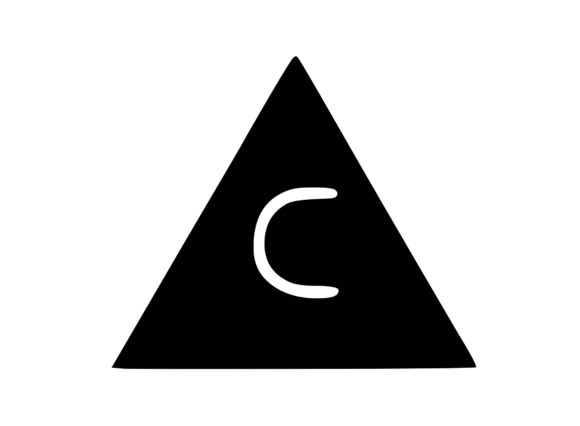
As a designer who has digitized and stitched out thousands of files, I approach every new graphic with a healthy dose of skepticism. When I first loaded the Triangle Shape with Playful Mono C into my embroidery software, I wasn't just looking at a vector graphic; I was mentally converting it into stitches. For those of us in the Crafts industry, specifically within the niche of custom apparel and boutique goods, this design presents an interesting intersection of geometric structure and typographic whimsy. It is not merely a shape; it is a potential branding asset that requires careful translation from screen to fabric.
My immediate impression was one of balanced tension. The triangle provides a stable, directional frame, while the playful monogram "C" softens the rigidity often associated with geometric logos. In the world of Graphics, this combination suggests modern minimalism, but for an embroiderer, it raises specific questions about stitch density and edge definition. Does the playfulness translate when rendered in thread? Can the curves of the mono C survive the structural demands of a satin stitch border without puckering? These are the practical realities we must evaluate before committing this design to a client project or an Etsy listing.
Real-World Application: The Canvas Tote Test
To truly understand the viability of the Triangle Shape with Playful Mono C, I decided to simulate a real production scenario rather than relying on digital mockups alone. I chose a heavyweight canvas tote bag as my test substrate. This is a staple item for small shop products and personalized gifts, making it the perfect proving ground. The goal was to create a branded merchandise piece that felt high-end yet approachable.
During the stitching process, the triangular frame acted as an excellent guide for placement. However, the interaction between the straight lines of the triangle and the organic curves of the monogram required attention. On the canvas texture, the design held up beautifully, but only because I adjusted the underlay. For a handmade product like this, the visual appeal relies entirely on crisp edges. If the triangle corners had been too sharp or the mono C too thin, the design would have gotten lost in the fabric weave. As it stood, the finished product offered a professional aesthetic that justified a higher price point than generic clip art embroidery. It proved that this machine embroidery design has genuine commercial potential for makers focusing on quality over quantity.
Fabric Compatibility and Stabilizer Strategy
While the tote bag test was successful, the Triangle Shape with Playful Mono C behaves differently across various textiles. As an experienced reviewer, I cannot stress enough that your choice of stabilizer will make or break this specific design. The geometry demands stability.
- Stretchy Knits and Sweatshirts: If you are planning sweatshirt embroidery or custom apparel on jersey fabrics, you must use a cut-away stabilizer. The triangle shape acts as a rigid island on a flexible sea; without proper support, the fabric will tunnel inside the shape after washing.
- Woven Cottons and Tea Towels: For holiday embroidery or kitchen linens, a medium-weight tear-away usually suffices. However, watch the corners of the triangle. Sharp angles can perforate delicate woven fabrics if the stitch density is too high.
- Curved Surfaces and Caps: Proceed with caution here. Triangles are notoriously difficult to center on curved cap fronts. Unless you have a specialized cap frame and significant experience, this design may distort. I recommend testing on a flat brim or visor first.
- Sheer or Lightweight Fabrics: Avoid using this as a large centerpiece on chiffon or light linen. The fill stitch or satin columns required to define the shape may be too heavy, causing drag lines. Consider resizing or using a running stitch outline for these delicate applications.
Visual Hierarchy and Commercial Value
For Etsy sellers and creative entrepreneurs, the value of a digital embroidery file lies in its versatility. The Triangle Shape with Playful Mono C succeeds because it functions as both a standalone logo and a complementary accent. Visually, the triangle draws the eye inward, creating a natural focal point for the monogram. This hierarchy is crucial for buyer engagement. When customers scroll through listings, they recognize readable, intentional design instantly.
In terms of brand consistency, this design offers a cohesive look across different mediums. I can envision this working equally well as an embroidered patch for denim jackets, a subtle chest logo for boutique uniforms, or a nursery decor element on baby blankets. The "playful" aspect of the mono C prevents it from feeling too corporate, making it ideal for personalized gifts and craft business branding. However, maintain professionalism by ensuring your thread colors contrast sufficiently against the fabric. A dark navy triangle with a cream mono C reads as sophisticated; matching the thread too closely to the fabric renders the intricate details invisible and diminishes the perceived value of the finished product.
Critical Designer Notes Before You Stitch
Before you hoop up your best material or list a new product featuring the Triangle Shape with Playful Mono C, please adhere to these practical checkpoints. As designers, we must bridge the gap between digital perfection and physical reality.
- Verify File Specifications: Since specific technical data varies, always check the included documentation for exact stitch counts, recommended hoop sizes, and format compatibility. Do not assume this SVG-based graphic converts perfectly to your specific machine’s PES or DST format without verification.
- Conduct a Contrast Test: Print a black and white version of the design or view it in grayscale on your screen. If the triangle and the mono C blend together in monochrome, they will likely lack definition in low-light photography or on similar-toned fabrics. Adjust thread colors to ensure distinct separation.
- Test Stitch Density: Run a sample on scrap fabric identical to your final project. Feel the back of the embroidery. If it feels bulletproof or stiff, the density is too high for wearable items. If the fabric shows through the stitches, increase the underlay or density slightly.
- Check Licensing Terms: Confirm whether your purchase includes commercial rights for selling finished physical products versus reselling the digital embroidery file itself. Protecting your business means respecting intellectual property boundaries.
- Evaluate Small Details: Zoom in to 400% in your software. Are there tiny jumps or overlapping stitches in the mono C that might cause thread breaks? Clean up any artifacts before stitching to ensure a smooth production run.
Final Verdict for Makers and Sellers
The Triangle Shape with Playful Mono C is more than just a pretty graphic; it is a functional tool for the serious embroiderer. Its strength lies in its ability to anchor a composition while retaining a sense of handcrafted charm. Whether you are creating custom apparel, designing printable mockups for pre-orders, or stitching holiday gifts, this design offers a reliable foundation.
However, success depends entirely on execution. Respect the geometry, stabilize appropriately for your fabric texture, and always test before committing to a sellable item. When treated with the technical care it deserves, this design elevates simple projects into professional-grade merchandise. It stands out from the crowd not because it is loud, but because it is structurally sound and aesthetically deliberate. For the maker willing to put in the prep work, the Triangle Shape with Playful Mono C is a worthy addition to your commercial embroidery library.