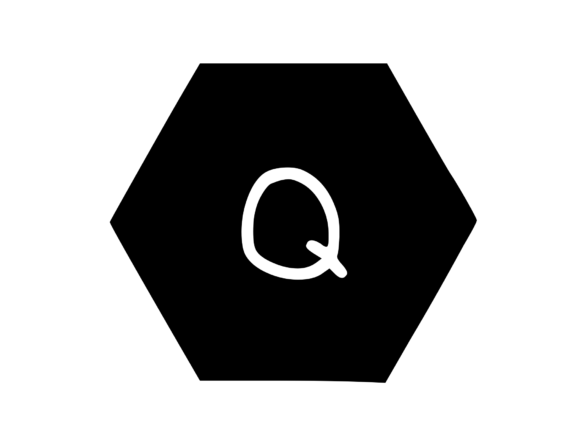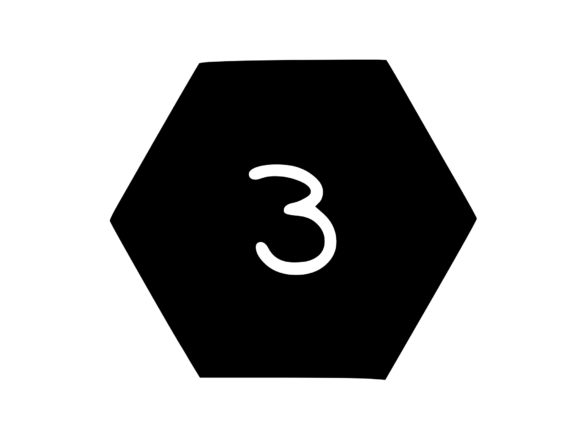
Hexagon Shape with Playful Mono 3 Review
As a professional embroidery designer who has digitized and stitched out thousands of files, I approach every new machine embroidery design with a healthy dose of skepticism. The market is flooded with generic graphics, but occasionally a file like Hexagon Shape with Playful Mono 3 catches my eye because it solves a specific layout problem. When evaluating this design for real-world application, I am not just looking at the screen; I am mentally stitching it onto textured canvas, stretchy knits, and delicate linens. This review breaks down how this graphic performs when moved from a digital asset to a tangible handmade product.
First Impressions: Geometry Meets Whimsy
The immediate appeal of Hexagon Shape with Playful Mono 3 lies in its structural versatility. In the world of Crafts and Graphics, geometric shapes often feel rigid or overly technical. However, the "Playful Mono" descriptor suggests a softening of those hard angles, likely through stylized line work or a monogram-ready center that invites personalization. As a reviewer, this tells me the design is intended to be a frame rather than just a standalone image. It creates a mood that is modern yet accessible, bridging the gap between boutique branding and nursery decor.
Visually, the hexagon offers superior tiling potential compared to circles or squares. For an Etsy seller or small shop product creator, this geometry allows for seamless pattern creation on larger items like pillow covers or blanket bindings without awkward negative space. The playful aspect implies that the stitch paths are likely optimized for visual interest without excessive density, which is crucial for maintaining fabric drape.
Real-World Application: The Custom Tote Bag Test
To truly evaluate this design, I envision a specific scenario: creating a line of personalized canvas tote bags for a local farmer’s market vendor. This is a classic tote bag design challenge because canvas is unforgiving regarding registration errors, and customers expect crisp, professional lettering inside geometric frames.
In this context, Hexagon Shape with Playful Mono 3 serves as the perfect anchor. If I were stitching this out, I would utilize the hexagon border as a guide for placement. The "playful" nature of the mono element suggests it pairs well with organic thread colors like sage green, terracotta, or mustard, rather than stark primary colors. For a custom apparel project or market merchandise, this design provides a container for variable data—whether that is a customer's initial, a year, or a short word. The success here depends entirely on the contrast between the shape and the background fabric. On natural unbleached canvas, a dark charcoal or navy thread would make the geometry pop, whereas white thread might get lost in the fabric weave.
Furthermore, for commercial embroidery runs, time is money. A design labeled "playful" typically avoids dense, bulletproof fill stitches that eat up thread and time. If this file utilizes efficient running stitches or light satin borders, it becomes a high-margin asset for a craft business. I can see this working beautifully on sweatshirt chests as a pocket replacement or on baby bibs where heavy designs are uncomfortable against sensitive skin.
Technical Considerations and Fabric Limitations
While the aesthetic is strong, practical execution requires caution. Not every embroidery file behaves identically across different substrates. Here is where you must exercise professional judgment before loading your hoop:
- Stretchy Fabrics: If applying this to a ribbed knit or jersey for sweatshirt embroidery, the geometric lines of the hexagon will distort if the stabilizer is insufficient. Knits pull inward; straight lines become wavy. You must use a cut-away stabilizer and potentially a topping to keep the "mono" details legible.
- Curved Surfaces: Hexagons are notoriously difficult on caps. Unless this design is specifically digitized as a curved cap version, avoid using it on structured hats. The flat corners will pucker or lift. Stick to flat surfaces like aprons, tea towels, or patches.
- Small Hoop Sizes: Check the dimensions carefully. Reducing a geometric design too much can cause the inner "mono" elements to merge with the outer border. If the smallest size approaches 4x4 inches, verify that the internal spacing remains open after scaling.
- Textured Fabrics: On terry cloth or fleece for baby embroidery or towels, fine lines disappear. You may need to add a knockdown stitch layer beneath the design or increase the column width of the satin stitches to ensure the shape reads clearly.
Impact on Product Value and Brand Perception
Using a cohesive design system like Hexagon Shape with Playful Mono 3 elevates a maker's portfolio above random, disjointed clip art. For digital product sellers offering SVGs or embroidery files, consistency builds trust. Buyers recognize the style and return for matching assets. For those selling finished goods, this design signals intentionality. It looks like part of a collection, not an afterthought.
When presenting this to clients or listing it online, utilize printable mockups that accurately reflect the stitch texture. A flat vector preview does not sell embroidery; a photo showing the sheen of the thread and the dimensionality of the hexagon does. This design’s balance of structure and whimsy makes it highly giftable. It fits the personalized gift niche perfectly because the shape acts as a spotlight for the recipient's identity while the playful style keeps it from feeling too formal or corporate.
Designer Notes for Successful Execution
Before you commit this design to a final finished product, run through this professional checklist. These steps separate hobbyists from reliable vendors:
- Verify Licensing: The description encourages you to "proudly reproduce this," but always confirm the specific license terms regarding commercial use versus personal use. Ensure you have the right to sell physical embroidered items versus reselling the digital embroidery file itself.
- Test Stitch Out: Never skip this step. Stitch the design on scrap fabric that matches your final project weight. Check for registration issues between the hexagon outline and the inner mono elements.
- Audit Stitch Density: Open the file in your editing software. If the stitch density is too high for lightweight fabrics, reduce it manually to prevent puckering. Conversely, if it is too sparse for heavy canvas, add underlay.
- Thread Color Testing: Test high-contrast and low-contrast combinations. Sometimes a tone-on-tone approach (e.g., cream thread on oatmeal linen) looks more expensive and sophisticated than high contrast.
- Check Format Compatibility: Ensure the file format matches your machine. While SVGs are great for cutting machines and sublimation, confirm you have the correct PES, DST, JEF, or VP3 file for your specific embroidery unit.
- Mockup Validation: Create black and white mockups to test value contrast. If the design disappears in grayscale, it lacks sufficient definition for certain fabric backgrounds.
Final Verdict for Makers
Hexagon Shape with Playful Mono 3 represents a smart addition to any serious embroiderer's library. Its strength lies in its utility as a framing device that adds instant polish to holiday embroidery, nursery decor, and boutique apparel. By treating this graphic as a foundational element rather than just a decoration, you unlock greater creative flexibility. Whether you are an apparel decorator seeking fresh inventory or a hobbyist making gifts, this design offers the professional structure needed to stand out. Just remember: the file is only as good as your stabilization and fabric choices. Respect the geometry, test your tension, and this playful hexagon will serve your business beautifully.