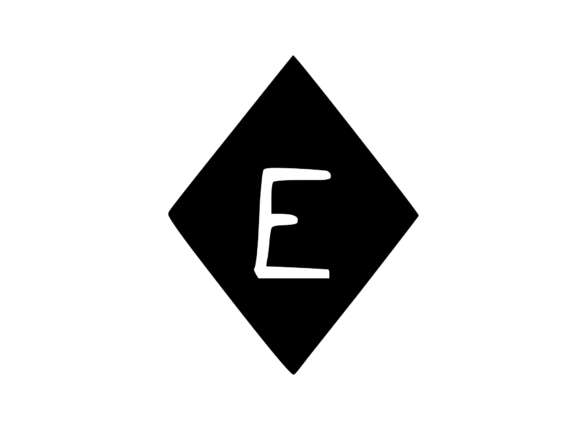
Diamond Shape with Playful Mono E Review
As a professional embroidery designer who spends countless hours testing files before they ever touch a customer’s garment, I approach every new graphic with a critical eye. When evaluating the Diamond Shape with Playful Mono E, my first thought isn't just about how it looks on a screen, but how it will translate into physical thread. This design sits at an interesting intersection of classic structure and modern whimsy. The diamond frame provides a necessary geometric anchor, while the playful monogram "E" injects personality that prevents the piece from feeling too rigid or traditional. For those of us in the Crafts industry, finding Graphics that balance these two elements is essential for creating products that feel both professional and handmade.
First Impressions: Structure Meets Whimsy
Visually, this design communicates versatility immediately. The diamond shape acts as a natural container, which is crucial for embroidery because it defines the stitch field clearly without requiring excessive background fills. This containment makes the Diamond Shape with Playful Mono E an excellent candidate for various applications where space is limited or defined, such as pockets, cuffs, or centered chest placements. The "playful" aspect of the mono E suggests a font style that likely incorporates curves, varying stroke widths, or unique serifs. In a digital preview, this looks charming; in embroidery, however, it demands scrutiny. A playful script can easily become illegible if the satin stitches are too narrow or if the underlay is insufficient for the chosen fabric texture. My initial assessment is that this design has strong potential for personalized gifts and boutique branding, provided the digitizer has accounted for the pull compensation necessary to keep that playful letter open and readable after stitching.
Real-World Application: The Custom Tote Bag Test
To truly understand the value of this machine embroidery design, I mentally placed it onto a canvas tote bag project I recently completed for a local market. Canvas is unforgiving; its coarse texture can swallow fine details, yet it is the gold standard for craft business merchandise. For this specific use case, the Diamond Shape with Playful Mono E serves as an ideal focal point. The geometric borders of the diamond help stabilize the visual weight against the heavy fabric grain, while the monogram offers that coveted personalized touch customers love.
In this scenario, I envision using a high-contrast thread color, perhaps a deep navy or burgundy on natural canvas. The diamond outline would benefit from a sturdy running stitch or a medium-weight satin stitch to ensure crisp edges that don't get lost in the weave. The playful E, being the star, requires careful attention to stitch density. If the design is intended for commercial embroidery on items like tote bags that face wear and tear, the fill areas within the letter must be dense enough to cover the fabric completely without becoming bulletproof. This balance is what separates a hobbyist project from a professional finished product. For Etsy sellers, this specific combination of shape and letter creates a recognizable aesthetic that photographs beautifully in printable mockups and translates reliably to the actual embroidered patch or bag.
Navigating Fabric Challenges and Hoop Limitations
While the design is versatile, experienced makers know that not all substrates treat embroidery files equally. When planning to use the Diamond Shape with Playful Mono E on stretchy fabrics like sweatshirt fleece or jersey knits, caution is required. The rigid geometry of the diamond shape can sometimes distort on stretch materials if the stabilizer choice is inadequate. I always recommend testing on scrap fabric first, using a cut-away stabilizer for knits to prevent the diamond from warping into a rhombus after washing. Conversely, on thin fabrics like baby clothes or tea towels, the concern shifts to stitch density. A playful monogram often implies thicker lettering; if the design is too dense for lightweight cotton, it could cause puckering or even tear the fabric. For baby embroidery specifically, ensuring the back of the design is smooth is paramount for comfort, so checking the jump stitch paths and trim commands in your software before running the machine is a non-negotiable step.
Hoop size is another practical constraint. Because this is a self-contained shape, it scales well, but there is a lower limit. If you attempt to shrink the Diamond Shape with Playful Mono E below three inches, the intricate details of the playful serif or script may merge. Tiny lettering inside a geometric border is one of the most common failure points in small shop products. Always verify the minimum recommended size in the embroidery file metadata. If you are working with curved surfaces like caps, the flat nature of a diamond shape can be tricky. You may need to slightly arc the design or accept that the top and bottom points of the diamond might sit differently on a curved brim compared to a flat visor.
Elevating Product Value and Brand Consistency
Beyond technical execution, we must consider marketability. Does this design add perceived value? Absolutely. Monograms remain a staple in the personalized gift market because they transform a generic item into a bespoke treasure. The addition of the diamond frame elevates the Diamond Shape with Playful Mono E above a simple initial; it turns it into a logo-like emblem. For creative entrepreneurs building a brand, this consistency matters. Using this same framing device across different product lines—matching sweatshirt embroidery, holiday ornaments, and bridal party gifts—creates a cohesive visual identity that builds customer trust and recognition.
For digital product sellers offering this as an asset, providing clear guidance on thread colors and fabric pairings adds immense value to your buyers. Showing the design stitched out on both light and dark backgrounds in your listing photos helps customers visualize the end result. Remember that visual appeal drives buyer engagement; a clean, professional presentation of the Diamond Shape with Playful Mono E signals that the file itself is high quality. Whether you are selling the digital embroidery file or the finished handmade product, the professionalism of the stitch-out directly correlates to the price point you can command.
Essential Designer Notes for Success
Before you load this design into your machine or list it in your shop, run through this practical checklist derived from years of production experience:
- Verify Licensing: Confirm whether the license allows for commercial use on finished products or if it is restricted to personal crafting. Never assume rights for selling digital assets or mass-produced apparel without checking.
- Test Stitch Density: Run a sample on your target fabric. If the playful E feels stiff or the diamond outline pulls the fabric, adjust the density settings in your software rather than forcing the default file.
- Check Thread Contrast: Playful scripts rely on shadow and highlight. Ensure your thread color contrasts sufficiently against the fabric so the details of the E don't disappear, especially on textured materials.
- Stabilizer Selection: Match your stabilizer to the fabric weight, not just the design size. A diamond shape exerts outward tension; proper stabilization prevents distortion.
- Mockup Accuracy: If creating printable mockups for an Etsy listing, use realistic textures. Overly smooth digital renders can lead to customer disappointment when the real embroidered patch has natural texture.
- Wash Testing: If selling custom apparel or kitchen linens, wash and dry your test swatch. Ensure the playful mono holds its shape and the diamond doesn't pucker after laundering.
The Diamond Shape with Playful Mono E is more than just a pretty graphic; it is a functional tool for makers who want to stand out. By treating it with the technical respect it deserves and applying it strategically across your product line, you can create items that delight customers and withstand the rigors of real-world use. Whether you are crafting a single personalized gift or stocking a boutique collection, let practical judgment guide your needle.